Credit Options for Customers

Customers of Capital One enjoy a large selection of products for their personal, shopping, travel, and other needs. Banks offer consumer cards and balance transfer options to clients who wish to consolidate their balances.

The choice of product depends on different factors, including loyalty and rewards programs offered, credit rating, online banking and other tools, grace periods, and others. Borrowers with excellent credit have access to exclusive benefits such as zero introductory annual fee, 15 percent off at participating merchants, discounts on business purchases, and more. Business cards offer discounts on entertainment and dining, business services, office supplies and staples, and more. Discounts are also offered on travel services and information technologies. With secured cards, the maximum credit line varies widely, ranging from $200 to $3,000, based on the security deposit. When applying for a secured card, applicants provide employment information, including income from public assistance, retirement, dividends or interest, self-employment, seasonal and part-time jobs, and salaried income. Consumers with bad credit improve their score and chances to qualify for unsecured cards. Maxing out credit cards also has a negative impact on one’s credit profile.

Types of Cards

Bank customers are offered plenty of options, including cards for average, excellent, and building credit. Customers choose from standard and popular cards with competitive rates and earn rewards toward tickets, merchandise, and even vehicle purchases. Miles can be exchanged for travel and airfare, gift cards, cash rebates, merchandise, and more. Individual customers have plenty of choice, including student and rewards cards. Student credit cards, for example, are offered to consumers with average credit and feature perks such as no annual fee, cash back on textbooks, gas, groceries, and other purchases, cashback bonuses for timely payments, and other perks. Specialty cards such as the Capital One credit card offer points toward Sony merchandise, games, electronics, and other items. Specialty cards feature travel perks such as discounts at resorts, preferred seating, and others. Cardholders are offered Visa perks such as upgrades at cruise lines and hotels and shopping discounts. Consumer credit cards are designed for small, daily purchases and bills, including discretionary, flexible, occasional, and regular expenses. Most credit cards help cover household expenses such as school lunches, meals out, property rent, child care, and others. Loans and home equity lines of credit, on the other hand, are designed for large purchases such as second homes, new and used vehicles, and others. Business and consumer loans by Capital One help finance large purchases and investments such as machinery, real estate, and other long-term assets.
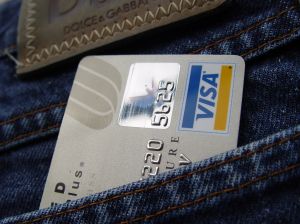

Selecting a Credit Card

ccr-mCaisses populaires, unions, and big and small banks in Canada offer credit cards to customers from all walks of life. Banks usually run a credit check to ensure that they deal with creditworthy customers.

Financial institutions in Canada accept applications by residents and citizens of the age of majority. Clients who filed for bankruptcy do not qualify. The interest rate offered depends on your credit rating. The application requirements vary from one bank to another, but rewards cards with many perks and incentives require high income. Many banks allow customers to add users free of charge. Banks offer Visa and MasterCard products to applicants, but the perks and rewards programs that go with them are usually reserved for creditworthy customers. There is a wide array of cards offered by Chase, Laurentian, Canadian Tire, and other establishments.

Different cards are offered to students, and issuers request contact and personal information as well as school information such as class year, enrollment status (part- or full-time), and school name, city, and state. Issuers that offer student cards also request information such as family member or alternative contact information, and financial details such as outstanding loans and balances, types of accounts held, additional income, annual wages and salary, and monthly rent or mortgage payments. Provide your permanent and current address if you live on-campus.

Banks offer rewards, airmiles, cashback, and other cards to business owners. As a rule, Canadian issuers request financial information such as occupation, business phone number, tax identification number, name of business, and others. Financial institutions require information such as monthly housing payments, social insurance number, and other details. Some issuers are interested in whether the business is seasonal. Customers who apply for a balance transfer card are asked about their payment address and credit card number. Some banks allow more than 1 balance transfer. If applying for a balance transfer card, there are financial establishments that allow up to 3 transfers. With some banks, customers are asked to specify whether they apply for a card with the maximum credit limit. Some banks offer the option to check your application status online.

The choice of card depends on many factors, for example, whether you meet the minimum or pay the full balance. Look at factors such as minimums, expiry dates, billing cycles, and others.

Specialty Cards by Scotiabank for Discounts, Special Deals, and Rewards

Scotiabank offers convenient banking and borrowing tools such as currency and account services, credit cards, and lines of credit. There are business and personal cards by Visa and AMEX that go with attractive rates, cash back, and other benefits.

The bank features hockeysecured and standard credit cards with special features, promotional offers, and access to special amenities. Points are redeemable for merchandise such as disc players, briefcases, home entertainment systems, bangles and necklaces, LED smart TVs, and other merchandise. Participating merchants also offer rewards such as dinnerware sets and casseroles, wine gift sets, 4-slice toasters, electric slow cookers, and other kitchen appliances and items. Merchants offer plenty of rewards, including training bikes, travel gear, and other merchandise.

An activity and sleep tracker, for instance, requires 16,700 rewards points. Retailers also feature zoom cameras, iPads, disc players, and other items. The bank also offers a newsletter that features special offers and rewards.Clients can also choose from a selection of specialty cards that feature points on entertainment, dining, and shopping. Some no fee cards go with 1 percent cash back on recurring payments and purchases and low introductory rates. Customers enjoy exclusive access to experiential tours, seating at high-end restaurants, and winery tours.

There are specialty cards such as the ScotiaHockey Visa (http://scotiabank-credit-card.creditcardreview.ca) that offer points toward tickets, gear, and other NHL merchandise (http://shop.nhl.com/).

Scotiabank features online tools for enhanced shopping security and point redemption. Some products feature low fees of $15 – $30 for supplementary cards . Customers are also allowed to pay for large purchases such as utility bills and premiums. Clients are also offered 4 percent cash back on certain categories such as groceries.

The Bank of Nova Scotia features premium business cards that earn cash back on insurance, internet, and other payments. Many business cards feature a long interest-free period of at least 25 days. Business cards also feature benefits such as unrestricted travel options. Customers can choose from specialty cards with investment vouchers, comprehensive insurance, and brand-name merchandise. Consolidating card payments helps save on service charges.

Products Offered by CIBC

CIBC offers the full suite of business and consumer banking products and investment vehicles. There is a selection of premium and popular cards, including rewards, business, and student cards.

Secured Credit Cards

There are plenty of everyday cards such as CIBC Select Visa, Classic Visa, and Platinum Visa that feature no or low annual fees, authorized spending limits, and other added benefits. The bank offers platinum and standard cards with affordable rates on cash advances and purchases. Student credit cards boost purchasing power and help make secured purchases and earn cash back. Online tools are available for credit management and travel notifications. In addition to rewards cards, CIBC features secured cards that require no deposit if taken with another product offered by the bank. Clients with poor credit benefit from no-fee banking and secured cashback cards while customers with excellent credit are offered premium discounts and special offers.  Cardholders are offered access to exciting events, weekend getaways, escapes, discounted airfare, and other travel privileges.  Rewards programs feature added benefits such as entertainment planning, booking assistance for amusement park passes and sightseeing tours, and more.

Related Articles:

Other CIBC cards: http://cibc-credit-card.creditcardreview.ca/

Secured Credit Cards: http://financialized.com/CreditCards/secured-credit-card-for-people-with-money-problems

Customers are allowed to use their miles toward merchandise, including holiday and last minute deals, garden and home accessories and décor, and more. Home and garden merchandise is also offered, including hand tools, home appliances, and furnishings. Clients use their points toward phones, gadgets, home theatre systems, and more. Items such as bamboo kitchen sets and carbon offsets require less than 10,000 aeroplan miles while items such as electric bikes, laptops, and push mowers require 50,000 to 100,000+ points. There are gift cards for long distance calls, entertainment, and coffee breaks.

Cardholders can choose from hotel gift cards, cruise certificates, discounts on travel packages, and a lot more, but certificates are non-exchangeable and non-refundable. CIBC offers premium business cards with no restrictions or blackout dates and travel rewards. Some products combine the features of LOCs and credit cards and feature no annual fees. CIBC also offers investment and wealth management services, day-to-day banking solutions, and other products.

Unsecured Credit Cards with Higher Fees

Secured loans and credit cards are offered to persons with less-than-perfect credit, and they are easier to obtain. Borrowers who have bad credit are often required to offer collateral as an additional guarantee. Thus, financial institutions take less risk. Applicants for a secured credit card are asked to make a deposit with the credit card issuer. The issuer can seize the deposit if the borrower is unable to keep up with payments. To build or rebuild credit, borrowers need to have a good record with both revolving credit and instalment loans. The problem is that borrowerscard who experience financial problems and build up a couple of negative transactions find it difficult to dig their way up. Borrowers with poor credit are usually offered outrageous interest rates or are turned down by financial institutions because of their poor credit history. That is why borrowers resort to secured loan. Borrowers who offer collateral increase their chances of getting approved. Many financial institutions are willing to offer a lower interest rate to borrowers who offer collateral. Lower interest charges make payments more manageable and thus, borrowers find it easier to keep up with their monthly payments. Making payments on time helps rebuild credit.

Still, this is a good option to build or rebuild credit. People who have gone through some major event such as loss of job, prolonged illness, or divorce usually apply for a secured credit card. To this, borrowers are advised to make sure the card issuer reports to all credit reporting agencies. If they do not, borrowers lose a major benefit. In general, if offers for unsecured credit cards start coming to your mailbox in a couple of months, you can be sure that your credit card company reports to the credit reporting agencies. Using a prepaid card or a secured credit card is another way to rebuild credit. Credit card companies, credit unions, mainstream banks, and other financial establishments advertise credit cards. Not all banks offer secured credit cards, and there is a trend in the banking sector toward unsecured credit cards. Many banks started offering unsecured credit cards with higher fees and interest rates and lower limits. Make sure the credit card issuer does not flag the report as secured or prepaid credit card because you will find it difficult to rebuild credit this way. How long does it take before financial institutions offer you an unsecured credit card? Credit card companies and banks want to keep their clients, which is why they will offer you an unsecured credit card provided that you make regular payments. On average, it takes about a year to build credit and qualify for an unsecured card.

Membership Levels and Annual Fees

Bank customers looking for rewards credit cards are offered plenty of choice, including unsecured rewards cards. Financial institutions, airlines, and retailers offer added benefits to encourage spending and increase their sales volume.

Financial establishments offer generous discounts and perks, including rewards points toward bill payment, department store discounts, and others. Cardholders enjoyloans added security while shopping abroad and plenty of benefits, including double and triple points at select and participating retailers. There are credit cards with added perks such as low annual fees, low balance transfer rates, and long grace periods. Many credit cards come with rewards points offered on gas and retail store purchases. Some issuers also offer added extras such as renewal bonuses, rewards points on quarterly spends, green points, as well as birthday rewards. The main benefits of holding a rewards credit card are a selection of rewards, travel flexibility, and no restrictions.

Rewards Credit Cards Review

Customers can choose from different membership levels, annual fees, and packages. While customers usually opt for rewards cards because of the bonus points offered, other benefits include pre-authorized payments and health insurance coverage. Obviously, the more you use your credit card, the more points you earn. Business cardholders are offered benefits such as business services and discounts on office supplies. Points are redeemed for travel purchases, with customers booking online and through travel agencies. Hotel loyalty programs are also featured by many issuers. Customers benefit from flexible redemption and rewards programs, for example, points toward premium merchandise, air miles, cash back, and holiday packages. Exclusive offers and discounts are available with many rewards credit cards for enhanced shopping experience. Miles can be donated to participating charities such as the Oceans Initiative and Seeds of Diversity Canada. Free authorized user cards are also offered as part of the added perks and package benefits.

Many finance companies and banks offer rewards cards with exclusive benefits. Some issuers require that customers meet the minimum income criteria to qualify. Whether you are an individual or business customer, existing customers and those with high income and revenues have better chances of getting approved. Many websites offer credit card finder tools to help customers compare different products and make a choice. There are two types of rewards cards to choose from, secured and unsecured, but most issuers offer unsecured ones. Secured credit cards are usually offered to customers with fair and poor credit, and secured rewards cards feature benefits such as travel accident insurance and bonus miles. Additional benefits include no caps on bonus points and airmiles and upgrades offered by airline carriers.

Prepaid and Secured Credit Cards

The type of card to choose depends on factors such as interest rate, credit limit, and others.

Customers often apply for department store cards because the requirements and criteria are more lenient (http://walmart-credit-card.creditcardreview.ca/). Department store cards are ideal for frequent shoppers and borrowers with little or no credit exposure. Many department stores offer discounts, coupons, and other perks to customers. In most cases, these cards can be used in one chain or store only.

There are plenty of options to look into, including rewards, student, and gas and auto credit cards. Customers can choose from different rewards and cashback credit cards, depending on their income, credit rating, and other factors. Borrowers with an excellent credit score are offered cards with added perks and higher credit limits. Clients can choose from cards with different bonus categories, free hotel nights and airfare, generous signup bonuses, and bonus miles that can be redeemed for lodging and accommodation, free flights, gas, and more. There are different bonus categories such as online retailers, restaurants, grocery stores, gas stations, and others. Rewards points can be redeemed for statement credit toward cruises, car rentals, accommodation, and airline tickets. Customers earn points that vary based on different spending categories.

diningPeople earn points while dining at restaurants and traveling. There are different factors to consider when applying for a credit card, including your spending habits, the interest rate, grace period, and others. Consumers who spend a lot of time travelling and driving often opt for gas cards. Students who study abroad and customers who are frequent travelers go for rewards (http://www.creditcardreview.ca/creditcard-1-2-2-2-2-2-2-2/) and airmiles cards.

There are many benefits and hidden perks that customers are not aware of, including trip cancelation insurance, lost luggage insurance, and others. There are plenty of options to choose from, including specialty and traditional credit cards.

Prepaid and secured cards are usually offered to customers with tarnished credit. Secured cards are similar to other products, the only difference being that deposit is required. The best way to improve your score is to use a mix of installment and revolving credit, including secured credit cards. Borrowers make purchases up to the available limit. The interest rate and credit limit vary from one lender to another. Check for fees, penalties, and hidden fees.