Getting a Student Card

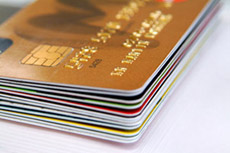
Student credit cards offer multiple benefits, including shopping convenience, affordable rates, urgent cash, and flexibility. Student cards are designed for small and everyday purchases and urgent expenses. Consumers use student cards to pay for meals, tickets, books, and textbooks.

The main benefit to holding a student card is better purchasing power. Some issuers offer cards with different fees, however, including transaction and processing fees. A prepaid card is one alternative, and the main benefit is that interest is not assessed.students

Some students also ask their parents to become cosigners. Whatever the type of student credit card, this is a good way to learn how to manage debt and personal finances. There are banks that feature student cards with cashback on department store and online purchases. Issuers offer cards to students with fair credit, but applicants with a score below 600 usually require a cosigner. Issuers accept scores as low as 630 and offer multiple benefits. Some cards feature rotating cashback categories while others feature exclusive experiences. Together with participating retailers, issuers offer presale tickets, VIP packages, travel rewards, and other perks.

Student credit cards are usually offered to consumers who are enrolled in accredited institutions. Banks ask about income and outstanding balances to check the applicant’s debt-to-income ratio. Banks request financial information to assess whether students are able to handle credit responsibly. Financial institutions also inquire about serious delinquencies and bankruptcies. Some banks also require account and sort code number, permanent address during the past three years, and other details. To get approved, students are asked to present proof of residence and valid ID.

Depending on their credit rating and profile, students can apply for rewards, no annual fee, and other types of cards. Those who study in the U.S. may want to apply for an U.S. dollar credit card which helps avoid transaction and other fees. The fee is also in U.S. dollars. Student cards are often used to pay unexpected expenses, for example, family emergencies, computer breaks, trips to the ER, etc. Whether you need to pay utility bills or buy clothing, you can use a student card.


Products Offered by CIBC

CIBC offers the full suite of business and consumer banking products and investment vehicles. There is a selection of premium and popular cards, including rewards, business, and student cards.

Secured Credit Cards

There are plenty of everyday cards such as CIBC Select Visa, Classic Visa, and Platinum Visa that feature no or low annual fees, authorized spending limits, and other added benefits. The bank offers platinum and standard cards with affordable rates on cash advances and purchases. Student credit cards boost purchasing power and help make secured purchases and earn cash back. Online tools are available for credit management and travel notifications. In addition to rewards cards, CIBC features secured cards that require no deposit if taken with another product offered by the bank. Clients with poor credit benefit from no-fee banking and secured cashback cards while customers with excellent credit are offered premium discounts and special offers.  Cardholders are offered access to exciting events, weekend getaways, escapes, discounted airfare, and other travel privileges.  Rewards programs feature added benefits such as entertainment planning, booking assistance for amusement park passes and sightseeing tours, and more.

Related Articles:

Other CIBC cards: http://cibc-credit-card.creditcardreview.ca/

Secured Credit Cards: http://financialized.com/CreditCards/secured-credit-card-for-people-with-money-problems

Customers are allowed to use their miles toward merchandise, including holiday and last minute deals, garden and home accessories and décor, and more. Home and garden merchandise is also offered, including hand tools, home appliances, and furnishings. Clients use their points toward phones, gadgets, home theatre systems, and more. Items such as bamboo kitchen sets and carbon offsets require less than 10,000 aeroplan miles while items such as electric bikes, laptops, and push mowers require 50,000 to 100,000+ points. There are gift cards for long distance calls, entertainment, and coffee breaks.

Cardholders can choose from hotel gift cards, cruise certificates, discounts on travel packages, and a lot more, but certificates are non-exchangeable and non-refundable. CIBC offers premium business cards with no restrictions or blackout dates and travel rewards. Some products combine the features of LOCs and credit cards and feature no annual fees. CIBC also offers investment and wealth management services, day-to-day banking solutions, and other products.

Unsecured Credit Cards with Higher Fees

Secured loans and credit cards are offered to persons with less-than-perfect credit, and they are easier to obtain. Borrowers who have bad credit are often required to offer collateral as an additional guarantee. Thus, financial institutions take less risk. Applicants for a secured credit card are asked to make a deposit with the credit card issuer. The issuer can seize the deposit if the borrower is unable to keep up with payments. To build or rebuild credit, borrowers need to have a good record with both revolving credit and instalment loans. The problem is that borrowerscard who experience financial problems and build up a couple of negative transactions find it difficult to dig their way up. Borrowers with poor credit are usually offered outrageous interest rates or are turned down by financial institutions because of their poor credit history. That is why borrowers resort to secured loan. Borrowers who offer collateral increase their chances of getting approved. Many financial institutions are willing to offer a lower interest rate to borrowers who offer collateral. Lower interest charges make payments more manageable and thus, borrowers find it easier to keep up with their monthly payments. Making payments on time helps rebuild credit.

Still, this is a good option to build or rebuild credit. People who have gone through some major event such as loss of job, prolonged illness, or divorce usually apply for a secured credit card. To this, borrowers are advised to make sure the card issuer reports to all credit reporting agencies. If they do not, borrowers lose a major benefit. In general, if offers for unsecured credit cards start coming to your mailbox in a couple of months, you can be sure that your credit card company reports to the credit reporting agencies. Using a prepaid card or a secured credit card is another way to rebuild credit. Credit card companies, credit unions, mainstream banks, and other financial establishments advertise credit cards. Not all banks offer secured credit cards, and there is a trend in the banking sector toward unsecured credit cards. Many banks started offering unsecured credit cards with higher fees and interest rates and lower limits. Make sure the credit card issuer does not flag the report as secured or prepaid credit card because you will find it difficult to rebuild credit this way. How long does it take before financial institutions offer you an unsecured credit card? Credit card companies and banks want to keep their clients, which is why they will offer you an unsecured credit card provided that you make regular payments. On average, it takes about a year to build credit and qualify for an unsecured card.

Getting a Card with a Reasonable Limit

Financial institutions offer business and individual credit cards with different limits. While some cards have a limit of $300 or $500, there are products with better terms.

Factors That Determine the Credit Limit

Banks take a number of factors into account, but the most important ones include personal income and credit rating. The credit score combines factors such as amounts owned, past accounts, and others. Customers with a history of delinquencies and excessive debt are often turned down. Financial institutions consider both negative and positive information. Banks are interested in whether the applicant is unemployed, a seasonal worker, or salaried employee. Salaried employees are more likely to get approved compared to stay-at-home spouses and unemployed applicants. The interest rate and credit limit are subject to change.

While banks assess penalty fees for missed payments, they also increase the limit of customers with timely payments. Banks look at factors such as age of oldest trade and credit utilization. The number of recent delinquencies is taken into account. A number of factors influence credit card approval, including collection notices and foreclosures. Banks are mainly interested in whether applicants manage credit responsibly, and the first step is to make timely payments to boost your score.There are things to do to repair your credit score, and one is to obtain a credit card with a small limit and make timely payments. Ask about the limit, grace period, due date, and other details. Comparison shopping is also a way to find a credit card with attractive terms, and some issuers advertise high limits, low introductory interest rates, no exchange rate and annual fees, and other extras. Ask about the transaction fees and extras that go with the card. If you have decent credit, there are plenty of options, including cashback, gas, and standard cards with reasonable limits.  When applying, ask about cash advance rates and fees, the charge back period, and so on. The good news is that banks offer cards to persons from all walks of life, including customers with excellent and fair credit.

You may also like:

http://secured-credit-card.creditcardreview.ca/

http://www.cra-arc.gc.ca/tx/ndvdls/tpcs/ncm-tx/ntrst/menu-eng.html


Membership Levels and Annual Fees

Bank customers looking for rewards credit cards are offered plenty of choice, including unsecured rewards cards. Financial institutions, airlines, and retailers offer added benefits to encourage spending and increase their sales volume.

Financial establishments offer generous discounts and perks, including rewards points toward bill payment, department store discounts, and others. Cardholders enjoyloans added security while shopping abroad and plenty of benefits, including double and triple points at select and participating retailers. There are credit cards with added perks such as low annual fees, low balance transfer rates, and long grace periods. Many credit cards come with rewards points offered on gas and retail store purchases. Some issuers also offer added extras such as renewal bonuses, rewards points on quarterly spends, green points, as well as birthday rewards. The main benefits of holding a rewards credit card are a selection of rewards, travel flexibility, and no restrictions.



Rewards Credit Cards Review

Customers can choose from different membership levels, annual fees, and packages. While customers usually opt for rewards cards because of the bonus points offered, other benefits include pre-authorized payments and health insurance coverage. Obviously, the more you use your credit card, the more points you earn. Business cardholders are offered benefits such as business services and discounts on office supplies. Points are redeemed for travel purchases, with customers booking online and through travel agencies. Hotel loyalty programs are also featured by many issuers. Customers benefit from flexible redemption and rewards programs, for example, points toward premium merchandise, air miles, cash back, and holiday packages. Exclusive offers and discounts are available with many rewards credit cards for enhanced shopping experience. Miles can be donated to participating charities such as the Oceans Initiative and Seeds of Diversity Canada. Free authorized user cards are also offered as part of the added perks and package benefits.

Many finance companies and banks offer rewards cards with exclusive benefits. Some issuers require that customers meet the minimum income criteria to qualify. Whether you are an individual or business customer, existing customers and those with high income and revenues have better chances of getting approved. Many websites offer credit card finder tools to help customers compare different products and make a choice. There are two types of rewards cards to choose from, secured and unsecured, but most issuers offer unsecured ones. Secured credit cards are usually offered to customers with fair and poor credit, and secured rewards cards feature benefits such as travel accident insurance and bonus miles. Additional benefits include no caps on bonus points and airmiles and upgrades offered by airline carriers.

Improve Your Credit Profile

Customers with poor credit have several options depending on their credit score and income. Given that they are considered high risk, borrowers with bad credit often turn to non-bank entities The interest rate usually varies between 30 and 40 percent. One alternative is to apply for a department store credit card that allows borrowers to save money on big-ticket purchases. While department store cards offer higher interest rates compared to other products, there are benefits forcalculator holders, including free shipping, coupon codes, discounts, sales, and promos, and many others. Cards also offer discounts on insurance policies, car rentals, travel, and more.

Regular payments over a certain period of time help improve your credit profile. Then there is the option to apply for a student card that comes with discounts on school-related purchases and other perks and allows students to build their credit history. Issuers offer student cards with incentives such as discounts on school-related items and promotions on clothing and textbooks.  Banks, credit unions, online banks, and other financial institutions offer different types of credit cards to business owners and individual customers. Clients can choose from rewards, airmiles, no annual fee, student, and other types of cards.

Related: HBC credit card application

Airmiles and rewards cards

Clients with good credit can choose from different products, including low-interest loans and credit cards. There are different options to choose from depending on your lifestyle and payment habits. One option to consider is a rewards credit card that allows holders to redeem points for brand-name merchandise, airfare, and more. Cashback credit cards offer cash back for purchases made at department stores, gas stations, supermarkets, and participating merchants.

While specialty cards offer plenty of perks and incentives, they usually come with a higher interest rate. Airmiles and rewards cards are good choices for borrowers who pay their balance in full. Issuers offer benefits such as complimentary bonus points that can be redeemed for CDs, holidays, and days out. In addition to these perks, airmiles cards offer added benefits such as statement credits to be used for snacks, flight-change fees, checked bags fees, and other expenses. Rewards and airmiles credit cards are also offered to business owners.

These cards are usually offered to existing customers and borrowers with a good credit rating.


Prepaid and Secured Credit Cards

The type of card to choose depends on factors such as interest rate, credit limit, and others.

Customers often apply for department store cards because the requirements and criteria are more lenient (http://walmart-credit-card.creditcardreview.ca/). Department store cards are ideal for frequent shoppers and borrowers with little or no credit exposure. Many department stores offer discounts, coupons, and other perks to customers. In most cases, these cards can be used in one chain or store only.

There are plenty of options to look into, including rewards, student, and gas and auto credit cards. Customers can choose from different rewards and cashback credit cards, depending on their income, credit rating, and other factors. Borrowers with an excellent credit score are offered cards with added perks and higher credit limits. Clients can choose from cards with different bonus categories, free hotel nights and airfare, generous signup bonuses, and bonus miles that can be redeemed for lodging and accommodation, free flights, gas, and more. There are different bonus categories such as online retailers, restaurants, grocery stores, gas stations, and others. Rewards points can be redeemed for statement credit toward cruises, car rentals, accommodation, and airline tickets. Customers earn points that vary based on different spending categories.

diningPeople earn points while dining at restaurants and traveling. There are different factors to consider when applying for a credit card, including your spending habits, the interest rate, grace period, and others. Consumers who spend a lot of time travelling and driving often opt for gas cards. Students who study abroad and customers who are frequent travelers go for rewards (http://www.creditcardreview.ca/creditcard-1-2-2-2-2-2-2-2/) and airmiles cards.

There are many benefits and hidden perks that customers are not aware of, including trip cancelation insurance, lost luggage insurance, and others. There are plenty of options to choose from, including specialty and traditional credit cards.

Prepaid and secured cards are usually offered to customers with tarnished credit. Secured cards are similar to other products, the only difference being that deposit is required. The best way to improve your score is to use a mix of installment and revolving credit, including secured credit cards. Borrowers make purchases up to the available limit. The interest rate and credit limit vary from one lender to another. Check for fees, penalties, and hidden fees.

Financing for Entrepreneurs and Small Businesses

Entrepreneurs and small businesses need financing to buy equipment and machinery, land, and facilities, for their normal operations, and to start a business. Financial institutions offer different types of financing, including start-up, commercial, construction, and other loans.

The interest rates are based on the economic environment, loan term and amount, and other factors. Lending platforms offer loans with different interest rates, fees, and closing costs. You can calculate the monthly payments based on the loan amount and term of repayment. Enter the loan amount and your credit quality (excellent, good, fair, or poor). Some peer-to-peer lending platforms also offer women’s small business loans. Microloans are offered through different programs to help non-for-profits and small businesses to expand. The lending criteria and requirements are more lenient compared to credit unions and banks. Borrowers can choose from different funding options such as

  • commercial mortgage loans
  • equipment leases
  • funding for equipment purchases
  • cash advances
  • business loans

Customers with poor credit are usually offered secured loans because they are considered risky. Financial assistance is also offered through government programs, including small business loans and economic development grants. The main benefit for businesses is that the interest rate is lower compared to private lenders. Small business owners also resort to loans from family and friends as well as equipment and real estate loans.

Supplier and vendor financing and SBA loans are also options. There are other types of loans, including vendor financing and equipment leasing and financing. A standard bank loan is another option, but the application process may take several weeks, and applicants with poor credit are often turned down. Banks take into account factors such as length of time in business, payment history, type of business, and others. Businesses with poor credit are often asked to offer collateral such as equipment, land, real estate, etc. Financial institutions that offer business loans require supporting documentation such as profit and loss statements, tax returns, and others. Banks are also interested in your dealer and supplier information. A good business plan increases your chances of approval. Submit a business plan and include a mission statement, description of services and products, and funding request.

Related Posts:

Bad Credit Loans in Ontario

Small Business Loans for Women

Cards With Zero Introductory Interest Rates

The choice between a balance transfer and secured credit card depends on many factors, including the applicant’s credit history, income level, and others. Banks offer prepaid and secured cards to customers who want to rebuild credit.

creditGiven the low introductory APR, a balance transfer card is a tool to pay down your outstanding balances. Your bank will increase the interest rate if you are late on your payments. Another problem is that not everyone qualifies for a low interest rate. A balance transfer card helps borrowers with excellent credit to lower the interest rate. Those with fair or good credit are offered the regular rate. While the interest rate is low, some issuers charge high annual fees. A secured card is a good alternative for borrowers with little exposure to credit. Using a balance transfer card is one way to lower your payments and interest rate. Some cards come with a zero introductory interest rate and other features. Borrowers compare walmart credit cards and benefit from balance transfers. Issuers offer different features such as assistance with airfare and booking, insurance policies, and others. If you have a card with a short grace period, high fees and interest rate, and low limit, you may want to switch lenders. Make sure that the promotional APR applies to the outstanding balance and new purchases.

You will be eligible for other types of cards within a period of one year. The main downsides are the higher interest rate and the fact that applicants often pay annual fees and processing and application fees. Recent immigrants also apply for secured credit cards. Regardless of your status, a secured credit card is not the best choice if you only pay the minimum. If you qualify for an unsecured card, weigh your options and pay more than the minimum. Most banks that offer secured cards require a deposit of $300 to $500. Issuers require a deposit to guarantee timely payments. Check with different issuers, including banks and credit unions, before you make a decision. There are many advantages depending on the issuer, and one is that financial institutions usually report to the credit bureaus. If you default or miss a payment, your credit score will be affected.

Issuers offer a selection of credit cards, including low interest, specialty, rewards cards, and others. In fact, some balance transfer cards come with beneficial features such as cashback or bonus points. If you have tarnished credit, other options to consider include department store and prepaid credit cards. Keep your balance low to reestablish credit. Charge cards also allow holders to make purchases on credit. Some products come with a limit that changes on a monthly basis.

Debt Load and Types of Credit Used

loansDebt consolidation offers many benefits to debt-ridden borrowers, including tax deductible interest and affordable monthly payments. This is a way to lower the interest rate and improve your credit score provided that you make timely payments.

Other Ways to Deal with Excessive Debt

Overburdened debtors can choose from different options, including individual voluntary arrangement and consumer proposal. You may consider declaring bankruptcy only after you have exhausted all other options.

Benefits for Borrowers

One of the benefits for borrowers is that they are offered a single loan to pay off multiple debts. Debtors can choose from different options, but some financial institutions require a co-signer. A balance transfer credit card is one option for debtors with high interest cards. Some issuers even feature specialty cards with low balance transfer rates and additional perks. Applying for a balance transfer credit card is one way to reduce the total payment amount. Debt consolidation works for borrowers who are unable to meet their monthly payments. Borrowers find this solution beneficial because more of their payments go toward the principal. High interest charges increase the cost of borrowing and vice versa.

Consolidation Loans and Balance Transfers

List your debts, including mortgages, lines of credit, and credit cards. Look at your monthly payments, interest charges, prepayment penalties, penalty interest, etc. Look at your debt load and types of credit used to figure out whether a debt consolidation loan is the best option. Once you’ve made a list of your debts and income sources, contact your local bank or credit union. There are different options to consider, including revolving and installment credit. Many creditors will be willing to cooperate if you are in danger of bankruptcy.

Payment History and Other Requirements

Credit unions and banks look at the borrower’s payment history and credit score. One option is to apply for a home equity loan and use your equity as collateral. Financial  institutions look at factors such as length of credit history, new credit, debt to income ratio, etc. Excessive debt and late payments show to banks that you are a risky borrower. Banks want to make sure that applicants are able to meet their monthly payment. Your earnings and other sources of income are another factor that plays a role. List all sources of income, including additional sources such as alimony, child support, public assistance benefits, life insurance proceeds, and others.

Related Articles:

Consolidate Your Debt with Low-Cost Loans